Logo design ideas
Lee Dean
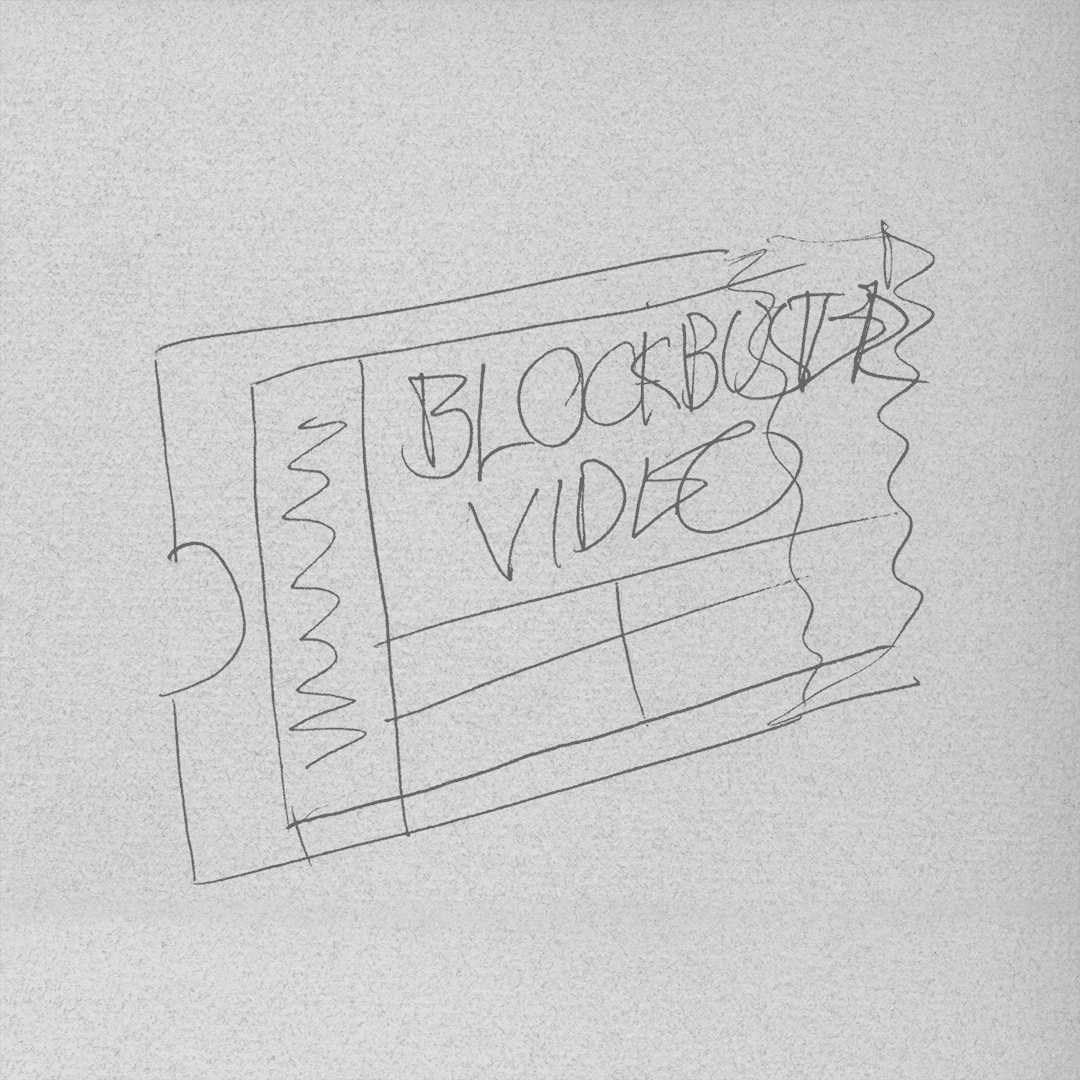
I am often asked, what is your process for coming up with ideas?
This is for logos in particular, but it can also be applied to graphic design:
What to expect
This stuff is on my home page and elsewhere, but if you missed it there, this seemed like an appropriate place to repeat it.
You’ve made business critical decisions, and now you’re ready to go to market, or upgrade your look. You need an identity fast, but it was the last thing on your list.
The beginning.
The creative process is unlike any other. It relies on intuition and other intangibles and is difficult to quantify. Most artists can’t even tell you how it works universally, but they can tell you how it works for them. Most processes work on a schedule and graphic art is no different, except you never know when inspiration will strike. The hardest thing you have to do is be patient. It is usually well worth it. Anyone can slap out a serviceable logo with little thought, and cheap to boot. There are many web sites out there that do this, many times using a collection of clip art they have developed.
If you are reading this, you are probably looking for something more. Try to allow two weeks for the creative process if possible. This gives the artist time to work, put it aside and look at the work fresh. It also allows for those “ah ha!” moments. All that said, if you REALLY have to have it sooner, we can do that. It may cost you a little bit more.
The middle.
This stage is where vital communication must occur between you and the designer. A logo is a distillation of everything about your company in a graphic form. For product marks, it can be fairly straightforward. For services, it gets more complicated. If you have samples of things you like, that can always help the designer. Any preconceived notions (positive or negative) about color, style, logotype vs. mark, can be very helpful. We may do 20 or more concepts and variations, but normally we present only the top three, with a recommendation. In most cases, the concepts will be presented in black and white. This assures you that a monochromatic version will work on any application you may have down the line, such as on a box, or napkin, or embroidery on a garment, etc. Additionally, we remove the possibility of color swaying the decision on the design. You may already have in mind whether you prefer a logotype, like the ExxonMobil logotype or more of a symbolic trademark like the Nike swoosh. Both are valid. In most cases we present both types. The presentation is most productive in person rather than over e-mail. After the first presentation, we either go to finished art or modify one of the concepts. Occasionally we start from scratch, but that is fairly unusual if we establish parameters going in. The second round is usually where the logo is nailed down and then we go to finished art.
The end.
Once you have your new identity, what happens next? You will be provided with files you can use at the very least. Some companies move on to application projects such as a brand book (or corporate identity manual), an identity summary, stationery, brochures, websites, etc. We can do those applications, but so can others. We do recommend at least an identity summary which lends guidance to anyone else down the road who might do application work.
I am also asked, where do you get your inspiration from?
I get inspiration from several sources. TV and movies, commercials, billboards and signs, all the things that we are saturated with daily. Those things that stick, are what inspire me. Talking with friends and family give me a sense of what people generally want and need. Traveling to Italy was quite inspiring. Then of course, there are more formal elements like art history and CA magazine/website.
Occasionally I am asked, what is your design philosophy?
My slogan is “Ideas drive everything”.
Trendy designs are fine for some purposes, but I prefer branding that will last, but flexible enough to stay relevant and compelling. For example, the Blockbuster Videos brand I created worked for both retail and investors. The torn ticket was revised and simplified over time as the company grew and the needs changed, but the essentials elements remained until the end.
I start with black and white logo concepts, clean and able to be produced on anything — from monument signs to websites, to billboards. This should be a distillation of what the company wants to convey to its audience.
Once that concept is nailed down, then color and effects and so forth are added to start the nuances of the brand. Usually, a slogan or tag line is in existence or is concurrently in the works as another essential building block. These may not be locked up as part of the logo but should be very compatible.
As items like typography and brand voice take shape, the foundation is being laid for the rest of the brand.
A decision point comes very soon after these elements are solid, as to how much detail needs to be in the brand guide. It can be as simple as a one-page document or as complex as it needs to be for enterprise size corporations.
This next one is unusual:
How are you able to pull out the ideas that I don’t even know exist in my head?
Mind reading is impossible, but it does seem to be a job expectation for creative people.
One tried-and-true mechanism for great ideas is holding what I call a Creative Session, or brainstorming. I have led and participated in many of them. It’s fun too.
The procedure is normally something like this:
-
First meeting, discuss what we know. Market research, goals, personas, etc. Then begin throwing out ideas. No such thing as a bad idea in this meeting. This can often lead to things coming out of the subconscious, but not necessarily during the meeting.
-
Think about the meeting as you drift off to sleep that night. Think about it during routine things like bathing, running, etc. My best ideas often come about during this. It’s a Eureka moment, if you will.
-
Meet with the team again. Present ideas. Put them up on a marker board and start evaluating. Identify ideas that make no sense and narrow down to a half dozen or so.
-
Repeat step 2 and meet again. Refine the ideas and narrow them down to two or three to present to management.
-
Present to your internal audience. Be open to their perspectives and ideas. They may have data and experience you haven’t considered.
Hopefully there is a concept most can rally around at this point. If so, you go to execution of the idea.
How do you ensure your designs are 100% original and not based on templates, stock elements, or AI-generated assets?
As it says on my home page:
What this site is not: An auto-bot logo generator. Can you get it cheaper? Sure. Will you get what you pay for? Sure. Instead, real humans create unique designs for your unique business.
On most occasions, a little research prevents duplication. AI can actually help find duplications, in order to avoid them. For naming and trademarks, I often check against the U.S. Patent and Trademark Office, or uspto.gov.
I fix AI generated logos when requested.
How do you stay current with trends?
I stay up with trends using several sources. TV and movies, commercials, billboards and signs, all the things that we are saturated with daily. Those things that stick, are what I use. Talking with friends and family give me a sense of what people generally want and need. Traveling to Italy was quite inspiring. Then of course, there are more formal elements like art history and CA magazine/website.
This is a practical question:
How do you approach incorporating feedback and brand values?
I approach feedback and brand values by first asking for a brand guide, if it exists, or at least a written list of values. Getting these things upfront reduces errors in execution. Feedback is not only welcome, but desired. I see most of my work as collaborative. I ask questions in a respectful manner, and I’ve been told I am patient. But I will ask questions, first for clarity. But also, with time-tested design principles in view. As a hypothetical, suppose you wanted an identity for a tough, male-oriented, sports-minded audience, but you ask me to make everything pink. I would ask you some clarifying questions but would probably also show you some statistics on color theory for male and female audiences, and how effective certain color combination were.
Some clients already have a brand, so they ask:
How do you create design within a brand playbook while bringing innovative concepts?
Brand playbooks rarely restrict ideas. I use the creative process I’ve used for years, in conjunction with the creative brief. The voice, mood, typography, color palette etc., in the brand guide are incorporated into the design concept. The guidelines are a design filter to keep the brand consistent. That is a good thing.
For example, if you are creating an ad campaign, of course a designer/art director will use the brand standards in the design. If tone or brand voice is in the guidelines that must be respected as well. Given all that, the conceptual arena is nearly wide open. This is especially true of a startup or a company without a long-standing campaign. In established brands that use “mascot campaigns”, like the GEICO gecko or the LIMU emu, those would be an exception. Even so, you see these companies with alternate campaigns in addition to their mascot campaigns. This is evident in the Progressive Insurance campaigns where the Flo mascot has been dominant for years, but others are in full swing, for instance the “don’t be like your parents” campaign.
The process is similar to what is near the beginning of this article, but with some focused modification:
Therefore, for the startups or new-to-the-campaign scene companies, I see the sky as the limit. There needs to be a creative brief, which defines and limits the scope of the project, and has written goals.
• First you saturate your mind with all the research, facts, personas, client goals and so forth.
• Secondly, in quiet moments, think about the information and let you mind wander. Write down ideas.
• Thirdly, meet with a team made up of copywriters, marketing experts, and other creative artists to brainstorm ideas. There are no bad ideas in this phase. Sometimes something crazy leads to something that works.
• Fourth, repeat the second process as a group and come back together to share ideas.
• Fifth, as a group, narrow the ideas. Marry them up with the creative brief. Throw out what doesn’t fit with the brand and playbook, keep the ideas that do, and look for the most compelling ideas that fit the creative brief.
• Sixth, present to the client. Usually, present three ideas for them to respond to.
• Ideally come to an agreement on the best idea and then begin to execute.
This is the typical process in my experience for being creative and “on brand”.
This one was quite specific, unusual, but challenging:
Please briefly explain your typographic skills and experience
I am a second-generation designer-art director, who grew up exposed to typography. In college, the “weed out” course was in typography and I aced it. I learned kerning/kerfing/tracking. I learned letterforms and how to make them consistent throughout a typeface. I learned the difference between a typeface and a font. I’ve seen hot lead squirt out of an old Linotype machine. I have hand-drawn phrases, as an exercise in college, and have used hand-drawn names in logos modified and clean up with Illustrator. I still check my headlines and subheads for proper kerning. Sometimes the “hints” are not good for a particular face or font. I know the difference between a stem and the x-height. I know the difference between an o-grave and an e-grave. Hopefully that’s enough. Hmmm, maybe this might be a separate blog post in the future.
Give Logo Hammer a call!
214-697-9849